Some mistakes don’t reveal themselves on location. They wait until you’re home.
The interview had gone as well as it could have. We had spent hours creating a space where someone felt safe enough to speak about one of the most difficult experiences of their life.
There were long silences. Moments when the camera kept rolling because stopping would have interrupted something more important than the schedule.
When we wrapped, I packed the gear with that quiet feeling documentary filmmakers know well. Relief that the conversation had happened. Gratitude that someone had trusted us with it.
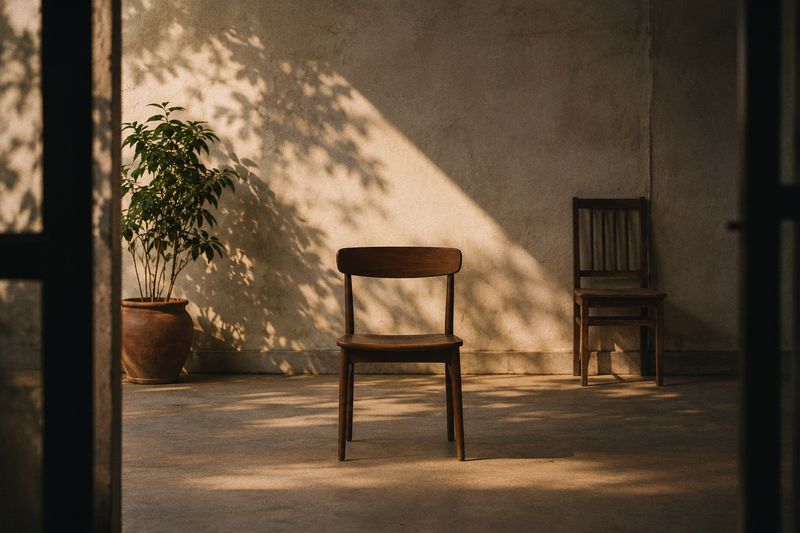
Back at my desk, I opened the footage. I wasn’t looking for mistakes. I was reliving the conversation. Then I saw it. A chair. Not beside the participant. Not quietly tucked into the background. Directly behind their head.
On location, it hadn’t felt distracting. Looking through the viewfinder, the depth of field made it seem distant enough to disappear into the room. On a larger screen, that distance collapsed. The chair felt attached to them. Once I saw it, I couldn’t unsee it.
The first thought was simple. “I’ll fix it in post.” Technically, that was possible. With enough time, careful masking, tracking, and cleanup, I could probably make it disappear. I’ve opened that sequence more than once with exactly that intention.
But every attempt reminded me of something. Removing an object isn’t the same as removing its consequence. The chair was never just a chair. It was evidence that, for one brief moment, I had been listening more than I had been looking.
That isn’t a mistake software can correct. It can repair pixels. It cannot recreate attention. Normally, a framing issue would have been a small inconvenience.
Schedule another interview. Move the chair. Roll again. But documentaries rarely offer clean solutions. What sat in front of the camera wasn’t a performance. It was trust.
Someone had gathered the strength to revisit a painful chapter of their life. Asking them to return because I hadn’t noticed what was sitting behind them suddenly felt much heavier than correcting a composition.
We went back. We moved one chair. We asked difficult questions for a second time. The frame became quieter. The story remained just as heavy.
I still have the original footage. Every now and then, I think about opening it again. About finally removing the chair. Maybe one day I will. Maybe I won’t. Either way, the lesson was never waiting inside the edit.
It happened the moment I realized that the most important thing in the frame wasn’t the chair. It was the trust sitting in front of it.
Since then, I still check my composition. Not because I’m chasing perfect images. Because some people only have the strength to tell their story once. And I want the first frame to honor that.