Filming Vulnerability With Care
One of the things I continue to think about in documentary practice is how vulnerability is filmed, and more importantly, how people are made to feel while being filmed.
Much of my work centers women, girls, and marginalized communities whose stories are often approached through extraction, spectacle, or oversimplification. Because of this, I have become deeply intentional about the emotional environment I create before the camera is even turned on.
For me, documentary filmmaking begins long before production. It begins in conversation, trust-building, listening, and understanding emotional context. I am less interested in forcing dramatic moments and more interested in creating spaces where people feel emotionally safe enough to exist honestly within the frame.
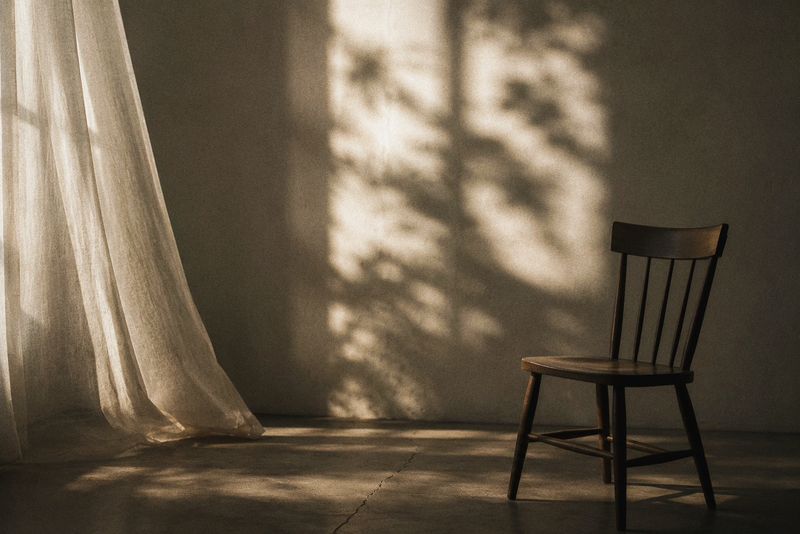
I think a lot about the difference between observing someone and witnessing them. Observation can sometimes feel distant, while witnessing requires care, empathy, and presence. When filming interviews or emotionally intimate moments, I often work with minimal interruption, natural light, and close framing because I want the visual language to feel human rather than performative.
Working with vulnerable communities also means constantly questioning representation. How do we document pain without reducing people to suffering? How do we hold emotional honesty without creating emotional exploitation? These questions sit underneath nearly every documentary decision I make.
What matters to me most is not simply creating visually beautiful work, but ensuring that the people inside the story feel respected, visible, and emotionally held throughout the process.